Spirituality Reflections from Faith Leaders
Written by Patrick Webb, 2021-22 Shalom Project participant
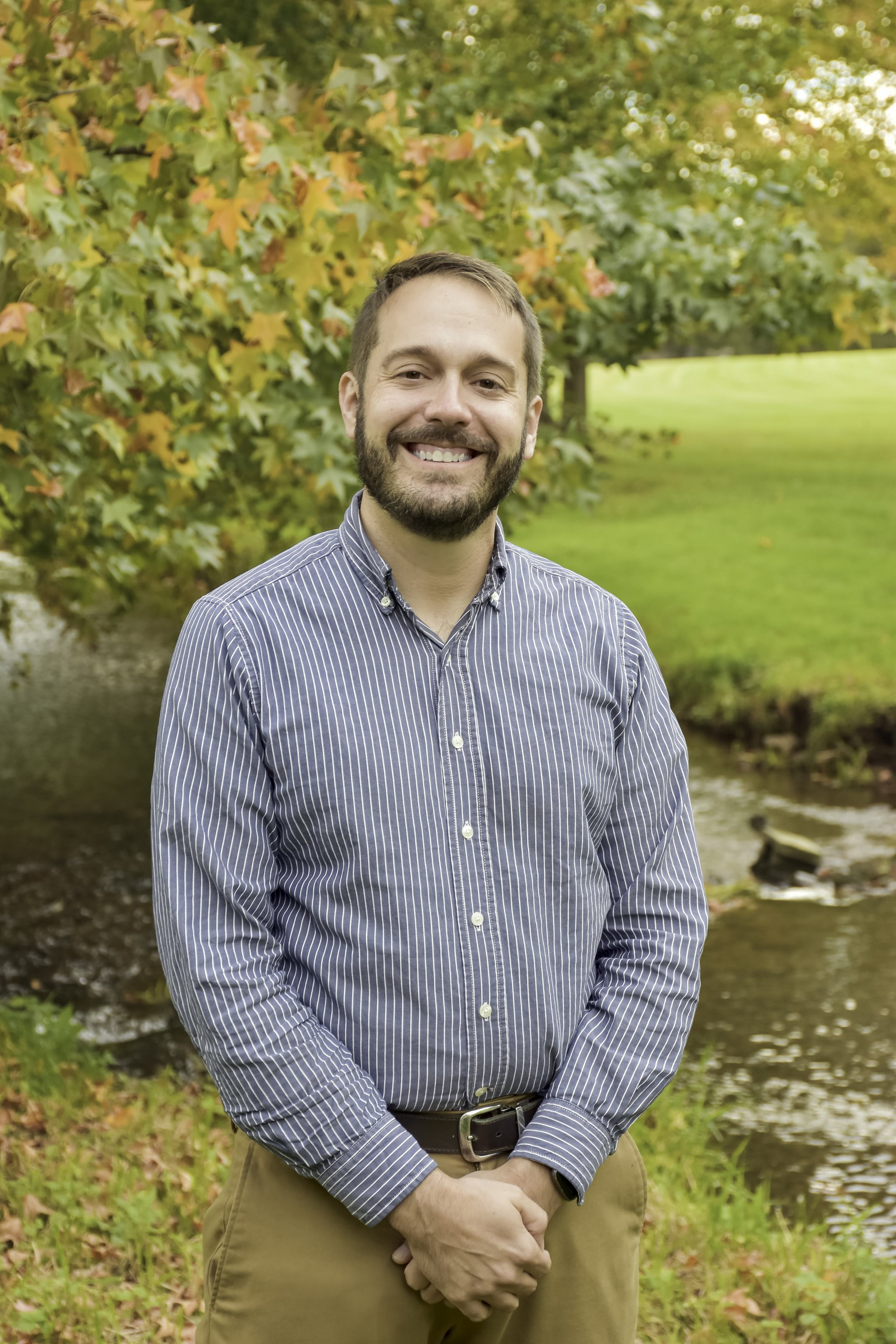

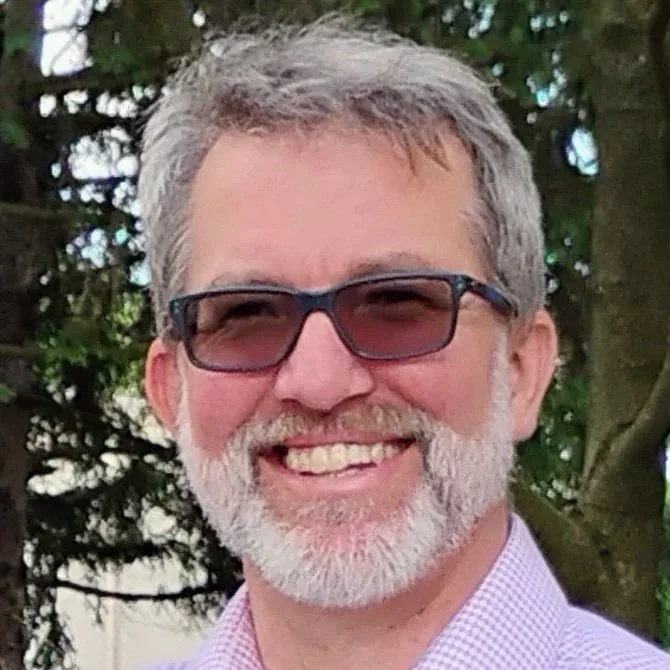
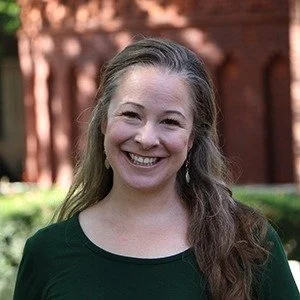
From left to right: Todd Gusler, Carmen Horst Okanya (photo by James Street Mennonite Church), Matt Carlson, StephJo Wise (photo by Nancy LeVassur)
The Shalom Project can offer participants a variety of opportunities for growth, professionally and personally. In this post, we share some insights from spiritual leaders about the spiritual benefits of a year of service and community.
One benefit of doing a year of service is the chance to explore faith discernment with others. Todd Gusler, Pastor at Rossmere Mennonite Church in Lancaster, experienced this first hand when he and his wife Leah led a Service Adventure unit in Raleigh, North Carolina.
Todd reflected that a service year allows participants to grow and learn about themselves outside of a more comfortable setting. For many Service Adventure participants, volunteer placements can shape their career and perspective, something that Shalom Project participants also experience.
Todd said that many people see spirituality as an individual act, and may separate it from their day to day lives, physical bodies and environment. In contrast, a year of service in an intentional living community like The Shalom Project "really brings forth some of the principles of living out our faiths," in what Todd calls the "mundane" of faith.
"Faith is very rarely lived up on the mountain tops," Todd said. "Sometimes it lives in the valley, but more often it's in the plain, mundane spaces."
By living together, Todd said, Shalomies live out community principles, discuss their faith and practice it together. For Shalomies, this can look like going to church together, cleaning the house, eating meals together and managing the household's needs. As a house, Shalomies have opportunities to wrestle over dealing with conflict within and outside of the house, and challenge each other's preconceived notions.
Carmen Horst Okanya, Pastor at James Street Mennonite Church, said it can be "spiritually beneficial" to do practices together. She added an example of the one-on-one conversations participants have with the program director, to check in about how they're doing in the house and at their placements. Meeting together has a spiritual component of moving towards growth, Carmen said.
Matt Carlson, an Associate Pastor at Akron Mennonite Church, also described this as an "on the ground" spirituality.
Matt led the 21-22 Shalomies in a seminar on the Coalition to Dismantle the Doctrine of Discovery, which works to undo the harms caused to Indigenous people by the Christian Church. Part of Matt's work with the Coalition is being rooted in a location and knowing its community, a goal that The Shalom Project shares.
The Shalom Project's participants experience this daily when they go to their placements. Whether Shalomies serve by finding employment or housing for refugees, helping with conflict resolution, or delivering food to those who don’t have access to nutritious meals, each internship gives them a chance to learn more about the broader community of Lancaster. And by volunteering at their internships, Shalomies not only have the opportunity for career discernment, but also for exploring how to live out their faith.
Matt led the Akron Mennonite Youth Group during a service week, which included a collaboration with The Shalom Project. Akron Youth shadowed Shalomies as they went to their placements, showcasing ways to be a follower of Jesus, Matt said.
Todd added that a service year is challenging. Many young adults are still emerging from the social "bubbles" of their home churches, parent's houses, and college communities. A year of service allows Shalomies a chance to explore not just career options, but questions of faith, together.
One example of Shalomies exploring their faith together comes from a seminar led by Saint James Episcopal’s Director of Youth, Children and Families, StephJo Wise. StephJo reflected on the 24-25 group of Shalomies, who she led through a contemplative spirituality seminar.
“We did some meditation in our chapel space, and talked about the benefits of contemplative practice, which is really at the forefront of what Saint James does,” StephJo said. Part of the seminar included doing a meditation to the Buddhist Metta prayer, also known as the prayer of love and kindness.
“The basic outline of the prayer, is first you pray for yourself, because, how can you be an example of a spiritual or Christian person without loving yourself first? It's important, you need to love yourself first," StephJo said. The Metta prayer begins with prayer for peace, happiness, and safety for oneself, then broadens. StephJo shared the example of praying for others, “may all beings be peaceful, may all beings be happy, may all beings be safe, may all beings awaken to the light of their true nature and may all beings be free.”
Part of the prayer can also be praying for “enemies,” which StephJo said could include people you have disagreements with personally, or a political figure you disagree with.
StephJo said that it may be hard to pray for people we disagree with, but “as Christians, we're called to do it. Sometimes it's hard to understand, especially in our world that feels so polarized and reactionary.”
When reflecting on the seminar, StephJo said “I saw a group that supported each other, that forged a strong community, and I can imagine they're going to be friends or connected for their lifetime.”
StephJo observed how the Shalomies supported each other during a time of vulnerable sharing, which helped her while leading the seminar.
“They were listening to each other, I could tell they know each other's history a little bit, and we all come to church and faith from varied experiences,” StephJo said. “Sometimes there can be trauma involved, or different cultural experiences that can make it more complicated.”
While serving in Lancaster may not be as intense as the Biblical image of "going into the wilderness," Todd said a year of service can provide room away from the familiar for Shalomies. And by moving away from the familiar, Shalomies may find themselves more attuned to the Holy Spirit's leading.
Matt also encouraged participants to reevaluate the faith they grew up with. Coming to The Shalom Project, some may have already started. Matt encourages Shalomies to come with an openness to learn about what it means to be a person of faith.
Carmen added that The Shalom Project encourages participants to explore questions of their faith. Participants don't have to come from an Anabaptist-Mennonite, or Christian, background, to participate. Carmen encouraged people to try out the rhythm of life that The Shalom Project offers, knowing that one doesn't have to do it forever.
For many participants, The Shalom Project has allowed room for growth and exploring new ways of living out their faith. Carmen pointed to Shalom Project alumni Alysha Argot, who interned at James Street and explored preaching. And two Shalom Project alumni, Joy Hammond and Natalie Hazbun, now serve on The Shalom Project’s board.
Whether or not Shalomies stay at their placements in Lancaster or move on to new adventures after their Shalom year, a year of service can be a transformational experience. A year of service in Lancaster can include time to discern one’s faith, or put ideas into practice. And any prospective participants can know that members of the community, like StephJo, are willing to connect with them as they explore their faith or spirituality.
However participants explore their faith, they can expect to leave the experience having grown in their spiritual journey.