Black History Month Reflections
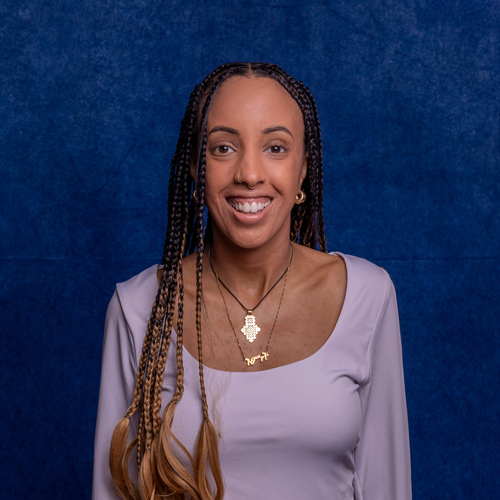
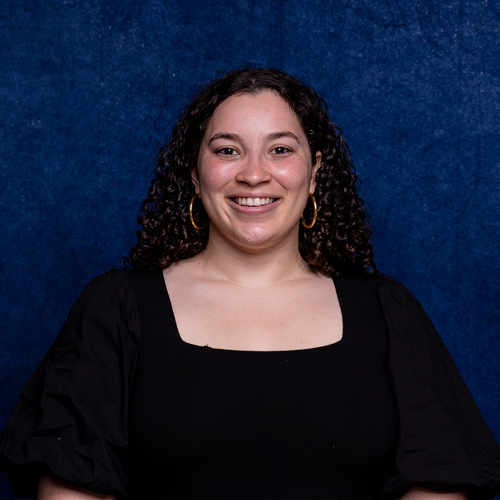
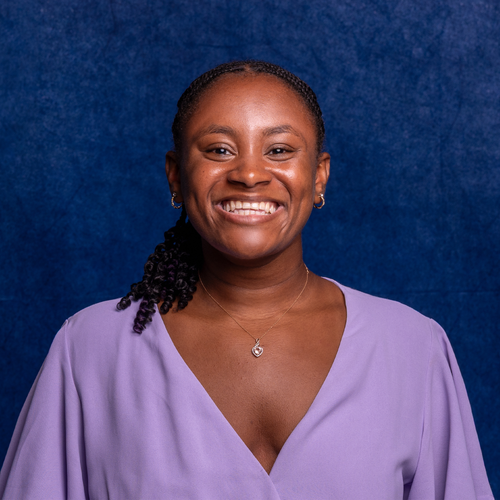
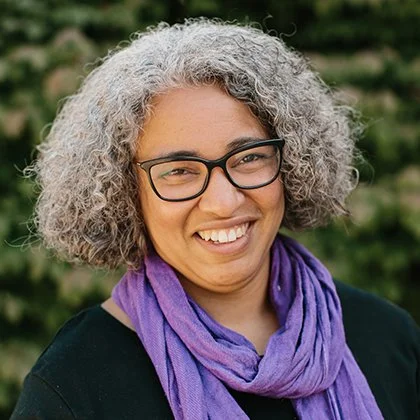
From left to right, top to bottom: Beimnet Getahun, Samuel Berehe, Emily Abbruzzese, Tahri Phillips, Leo Silva, Malinda Berry


This year marks the 100th anniversary of Dr. Carter G. Woodson’s creation of what would become Black History Month. Black History Month is an intentional time to celebrate the achievements, resilience, and contributions of the Black community while reflecting on the injustices that are still all too present in our communities today. The designation of a specific month should not limit these things to 28 days, but inspire us to center Black voices year round. And at a time when we are encouraged to fear differences and people who don’t fit a certain mold, particularly those with darker skin, it is more important than ever to celebrate the beauty and achievements of the Black community, listening to and learning from what Black voices have to say.
Speaking with Attollo Prep Staff
The Shalom Project talked with some of the staff of Attollo Prep, a college access and leadership development program for high school students in Lancaster, and an organization we had the privilege of learning about during one of our Friday afternoon seminars this month.
When asked what Black History Month meant to her, Beimnet Getahun, Chief Programs Officer, said, “it’s a way to celebrate everyone that has come before me to make me the person I am today. I truly view it as a way to celebrate all the accomplishments we made, but not just celebrate, also to understand the history of where we come from and the struggles and what people had to do in order for us to be who we are today.” Samuel (Sam) Berehe, Programs Coordinator, echoed this, saying, “Black history means finding my identity and understanding the people and the history that comes before me and the reason why I’m able to be in these sort of spaces or be here in general.” Emily Abbruzzese, Director of Programs for 11th grade, shared that she appreciates the opportunity Black History Month provides to “reflect on our history and also where we are currently in the state of the world and looking towards the future. For me specifically as someone who is mixed, it’s more of a time that I feel like I am purposefully reconnecting to that part of my identity. Not that it’s not something that I’ll connect with outside of Black History Month, but it’s just a nice reminder and opportunity for camaraderie within our community.”
Tahri Phillips, Director of Curriculum & Communication, said that “celebrating Black History Month is particularly important to me because I think that so much of our contributions to this country have just gone unrecognized and I very much think that Black Americans in particular are the unsung heros, like we are quite literally the people that built this country, literally brick by brick, and I think we haven’t gotten the recognition that we deserve for making the wealth that is this country, for making the opportunities that this country has to offer that I think many other populations take for granted. I truly just think this country is built on the backs of our labor and it’s important to continue to recognize what we’ve done in the past and what we’re continuing to do now. I think Black History Month is just as much a celebration of history as it is a celebration of continued legacy and continued excellence. All too short of a celebration, but a celebration nonetheless. And I think it just forces people to reckon with the ways in which we have not done Black history justice in the past.” And Leo Silva, Chief Executive Officer, reflected, “Black history to me means resilience, means joy, it means that we have an opportunity [to be] our ancestors’ wildest dreams. It means that we also have the responsibility to ensure that culture and history is also present as we go into the future.”
Speaking about why celebrating Black History Month is important to the work of Attollo, Sam emphasized the importance of students “getting to see who they are and figuring out their identity. At this point in their life they’re really young and they might not understand all that history, especially nowadays we don’t know exactly what is being taught in curriculums so I think it’s really, really important to be able to have different resources to be able to understand exactly what their history means and what their roots mean.” Along similar lines, Tahri said that “so many of our students in particular never see themselves represented in their learning. I think from the curricula that they are engaging with in classes, to the extra curricular spaces and opportunities that they have, to even the teachers and administrators in their schools, they never see themselves, so I think having occasions, for lack of better words, like Black History Month, give students an opportunity to see themselves represented in ways that they aren’t getting in other spaces, and I think we get to have platforms and spaces to have these dialogues on a day to day basis. I think this opens up the necessity for them, or makes it very obvious that they are necessary to the broader community.”
Leo reflected on Attollo’s history and connection with Black history, saying “the majority of our students are students of color here, and I really think representation matters, and so, for us, the opportunity to celebrate Black joy and for our students to see that is very important, because there’s not a ton of spaces where they get to see themselves being celebrated. I think it’s also instilled into the fabric of who we are. Our founder is Black and so this organization inherently was created for people from diverse backgrounds and for marginalized groups and so in a way the work of equity is at the heart of what we do, even if we first say that we’re a college access and leadership program, we wouldn’t be doing this work if it wasn’t for some of the things that our founder experienced as a Black man.” Beimnet also spoke about celebrating Black history being important for Attollo organizationally, because they “work with students from various backgrounds and the more we acknowledge where students come from the more they see themselves in spaces. So I think Black history is important and it’s a way to celebrate not just our Black students, but a way to celebrate our diversity as an organization.”
Emily shared from her experience that “as someone who’s very white passing it’s really important to celebrate all different identities within the Black community… we just had our Black affinity group last night, and regardless of the percentage of Black or African American or the skin color of our students, I’ve still found that community was very much needed, and that our students really need a space to feel like they belong exactly as they show up, and so that’s why I think it’s especially important that we as an organization are celebrating our Black students and staff and community just to show that we see them as they are.”
Reflections from Malinda Berry
Malinda Berry is a Professor of Peace Theology and the Director of the Faith Formation Collaborative at Anabaptist Mennonite Biblical Seminary in Indiana, and she has shared her wisdom with numerous groups of Shalom Project participants through virtual seminars. When asked if she had any reflections on Black History Month to share, she pointed to some poetry by Black authors that she has found meaningful over the years.
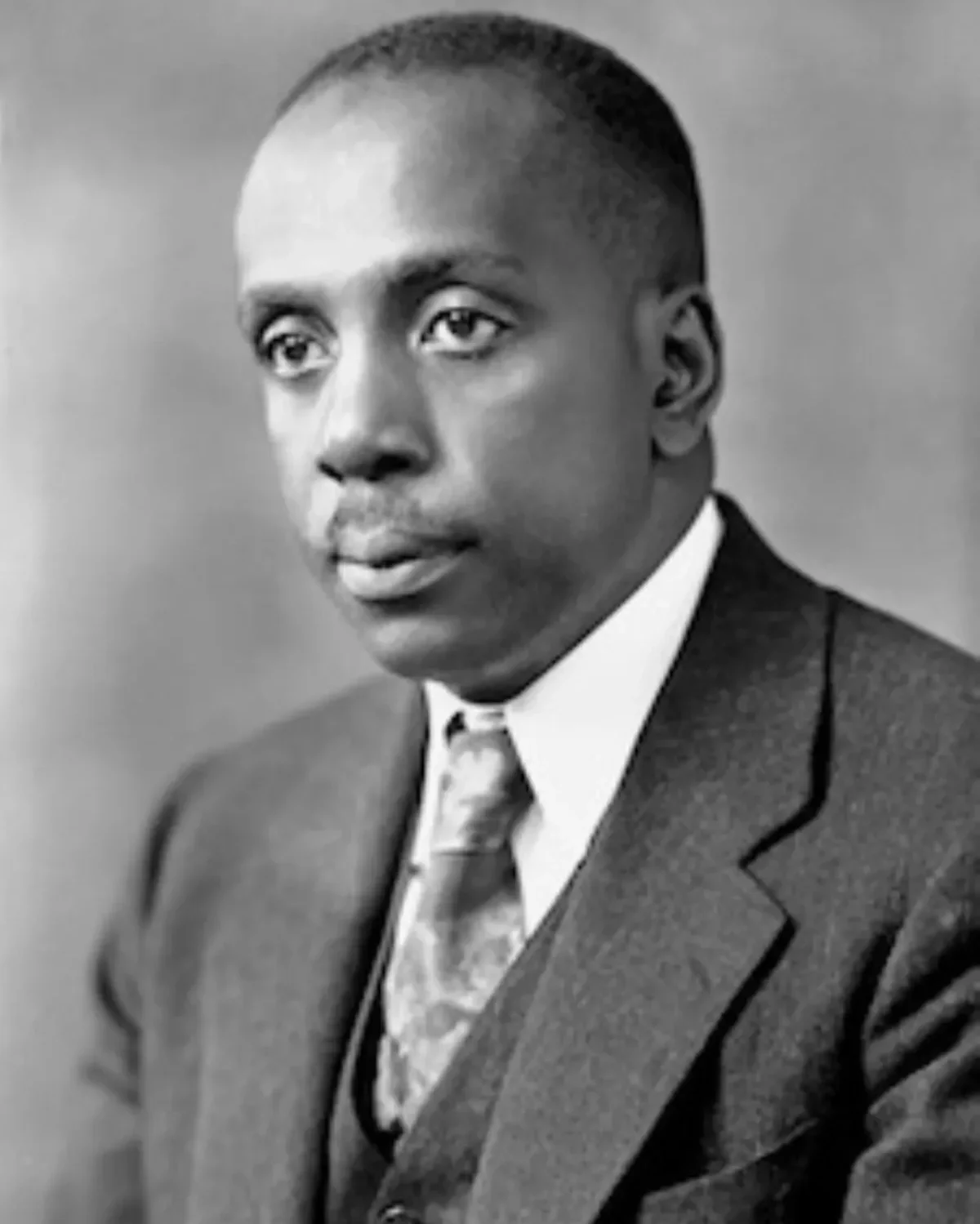
Howard Thurman,
“For a Time of Sorrow” by Howard Thurman
I share with you the agony of your grief, The anguish of your heart finds echo in my own. I know I cannot enter all you feel, Nor bear with you the burden of your pain. I can but offer what my love does give: The strength of caring The warmth of one who seeks to understand The silent storm-swept barrenness of so great a loss This I do in quiet ways, That on your lonely path, You may not walk alone.
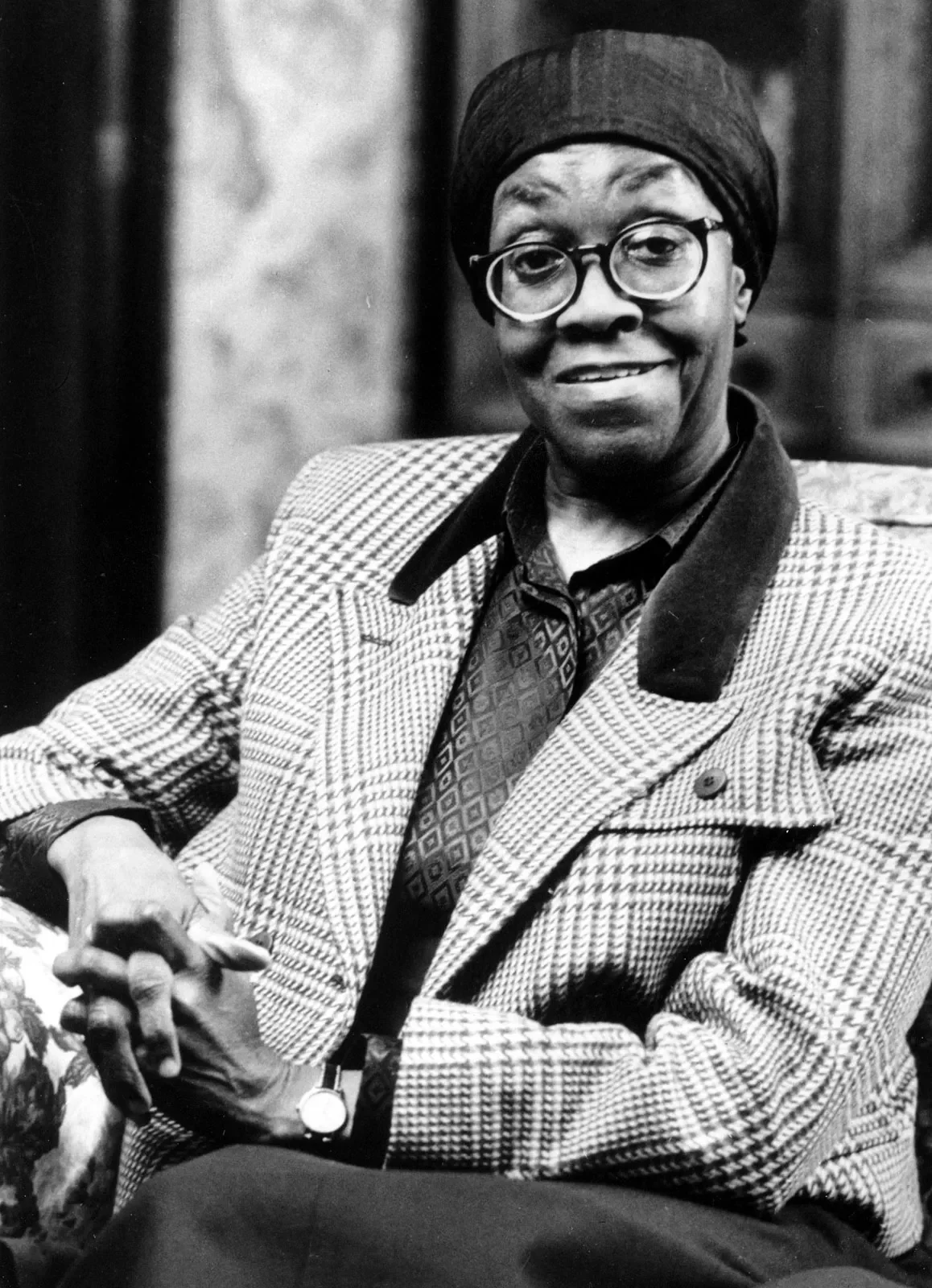
Gwendolyn Brooks,
“Paul Robeson” by Gwendolyn Brooks
That time we all heard it, cool and clear, cutting across the hot grit of the day. The major Voice. The adult Voice forgoing Rolling River, forgoing tearful tale of bale and barge and other symptoms of an old despond. Warning, in music-words devout and large, that we are each other’s harvest: we are each other’s business: we are each other’s magnitude and bond.
May these words inspire us as we seek to listen to each other, listen to the voices that are overlooked or drowned out, and see each other’s common humanity and kinship.